Choose a North Vancouver Roofer for Dependable Roofing Services
The Advantages of Selecting Flat Roofing for Your Property
Flat roofing delivers a practical solution for many homeowners. Its configuration facilitates optimal use of materials and square footage. Lower costs and servicing demands make it ever more compelling. Additionally, flat roofs can enhance operational efficiency and environmental stewardship. However, misconceptions often cloud their merits. Understanding these considerations can help property owners make informed decisions about their roof choices. What advantages might flat roofing contribute to your dwelling?
Why Investigate Flat Roof Alternatives for Your Property?
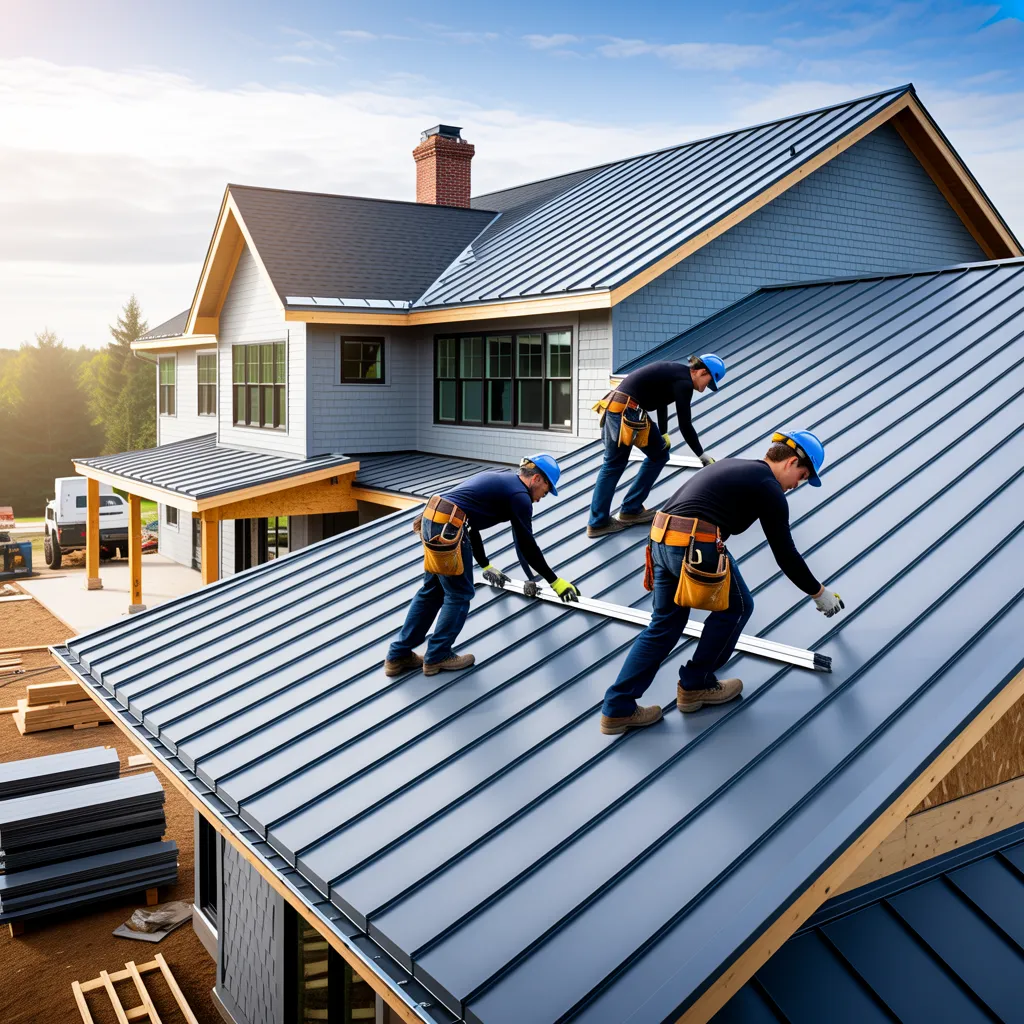
When assessing roofing options, property owners may discover that flat roofing presents notable advantages. One important benefit is affordability. Flat roofs typically require fewer materials than sloped designs, resulting in lower installation expenses. Additionally, maintenance is likely to be more simple, enabling for easier access during inspections and repairs.
One more advantage exists in durability. Many flat roofing materials, such as TPO or EPDM, are engineered to endure harsh weather conditions, providing persistent protection. This strength can decrease the need for replacements or repairs, further maximizing cost savings over time.
Also, flat roofs can allow the installation of power-saving technologies, like solar panels or green roofs, which may provide enduring energy expense reductions. To summarize, flat roofing offers property owners a practical solution that unites functionality, durability, and potential economic benefits, making it a noteworthy option for diverse structures.
Getting the Most Space From Flat Roofs
Flat roofs present exceptional opportunities for expanding functional zones in both commercial and residential properties. Unlike conventional angled roofs, flat roofs offer a versatile area that can be employed for various purposes. Roof vegetation areas, terraces, and exterior relaxation zones can improve the aesthetic appeal and functionality of a building, establishing additional recreational spaces.
Within business environments, flat roofs can hold HVAC systems, solar panels, or even green roofs, boosting energy efficiency and sustainability. Additionally, the flat surface provides easier access and maintenance compared to sloped roofing systems.
This layout also enables the development of vertical extensions, such as extra floors or rooftop offices, without compromising the current foundation of the building. By capitalizing on the flat roof's potential, building proprietors can greatly increase both their functional area and real estate worth, making it a strategic choice for increasing functionality and enjoyment.
Affordable Level Roofing Solutions
While multiple roofing choices are offered, budget-friendly flat roofing solutions excel for their financial advantage and practical benefits. Various materials can be employed, including modified bitumen, PVC, and EPDM rubber, each providing different benefits at fair prices. Modified bitumen, for example, is recognized for its resilience and simple installation, making it an desirable choice for budget-conscious property owners.
PVC roofs, while slightly pricier, present superior power conservation and lasting performance, consequently cutting down extended costs. EPDM rubber is another popular choice, treasured for its robustness and low maintenance requirements.
These materials not only minimize initial expenses but also help in conserving energy, leading to additional reductions on energy costs. By selecting the right flat roofing option, property owners can attain a equilibrium between cost and performance, guaranteeing a economically viable investment that meets their requirements successfully.
Easily Upkeep Your Flat Roof
Keeping a flat roof in good condition can be easy, particularly when using budget-friendly materials like modified bitumen, PVC, or EPDM rubber. These materials are constructed for longevity and need minimal care, making them appropriate for property owners seeking enduring answers. Routine inspections are necessary, allowing for the quick spotting of potential issues such as pooling water or debris accumulation.
Regular surface cleaning guarantees that gutters and drains remain clear, avoiding water damage and extending the roof's lifespan. Additionally, applying a protective coating can improve resistance to UV rays and increase the roof's durability.
Unlike sloped roofs, flat roofs provide simpler accessibility for maintenance tasks, minimizing the danger of accidents during inspections and repair work. In summary, the ease of maintaining a flat roof, combined with the right materials, can lead to considerable cost reductions and peace of mind for property owners.
Energy Conservation and Environmental Responsibility
Improving fuel economy and eco-friendliness represents a notable advantage of flat roofing systems. These roofs typically utilize materials that deflect sunlight, minimizing heat absorption and lowering cooling costs during summer periods. This characteristic results in decreased dependency on air conditioning, which can greatly cut energy consumption and associated costs.
In addition, horizontal roofs can be fitted with heat-resistant materials that improve energy efficiency, supporting a agreeable home atmosphere. The ability to embed environmentally-conscious roof systems further enhances sustainability. By alleviating thermal concentrations in city zones, level roofs promote cleaner air and minimal energy consumption.
In addition, flat roofing is usually easier to care for and fix, which can result in extended lifespans and reduced debris. Overall, the eco-conscious and energy-efficient aspects of flat roofing systems make them an attractive choice for environmentally conscious property owners looking to reduce their carbon footprint while enjoying economic benefits.
Diverse Uses: Rooftop Gardens and Solar Panels
Flat roofs offer distinct possibilities for innovative uses, including rooftop gardens and solar panels. Rooftop gardens not only enhance aesthetics but also furnish insulation and advance biodiversity. Meanwhile, the installation of solar panels on flat roofs optimizes energy efficiency, capturing sunlight efficiently to minimize utility costs.
Rooftop Garden Advantages
Rooftop gardens offer many benefits, seamlessly integrating nature into urban settings. These green spaces enhance visual beauty, transforming bland rooftops into lively spaces. They also deliver vital environmental benefits, such as enhancing air quality and decreasing urban heat through organic temperature regulation. Furthermore, rooftop gardens can serve as multipurpose areas, providing spaces for leisure, community events, or even urban farming. They contribute to biodiversity by establishing habitats for various species, promoting ecological balance within city landscapes. Further, these gardens can help manage stormwater runoff, lowering the risk of flooding. In summary, the incorporation of rooftop gardens stands as a eco-friendly solution that enriches both property value and the quality of life for urban dwellers.
Solar Panel Optimization
A growing number of residents and businesses are coming to understand the benefits of solar panels as a effective means for renewable energy generation. Flat roofs offer an ideal surface for solar panel installation because of their unobstructed exposure to sunlight. This positioning allows for peak performance, maximizing energy capture throughout the day. Moreover, the even surface of flat roofs makes easier maintenance and installation compared to sloped roofs. The integration of solar panels can considerably reduce energy costs, making properties more sustainable. Furthermore, pairing solar panels with rooftop gardens improves insulation and lowers urban heat, highlighting the flexibility of flat roofing. Finally, the integration of solar energy with flat roofs promotes environmental sustainability and yields financial rewards.
Frequent Myths About Flat Roof Installation - What Should You Know?
What misunderstandings surround flat roofing? Many property owners assume that flat roofs are prone to leaks and need more maintenance than sloped roofs. However, modern materials and techniques have considerably improved their durability and water resistance. Another documentation common myth is that flat roofs lack aesthetic appeal. In reality, they present versatility in design and can house rooftop gardens or solar panels, enhancing both functionality and appearance. Some also argue that flat roofs cannot handle heavy snow or rain. In truth, proper drainage systems can competently manage these conditions. Finally, there is a conviction that flat roofing is less energy-efficient. When installed correctly with adequate insulation, flat roofs can provide excellent energy savings. By debunking these myths, property owners can make informed decisions about the benefits and practicality of flat roofing solutions.
Frequently Commonly Questions
How long does a flat roof typically last?
A flat roof commonly lasts between 15 to 30 years, contingent on materials used, installation quality, and maintenance. Consistent assessments and prompt maintenance can extend its lifespan considerably beyond the average duration.
Which Options Work Best for Flat Roof Installation?
The superior options for flat roofing comprise PVC, TPO, EPDM rubber, and modified bitumen. Each offers unique perks, such as longevity, improved performance, and weather resistance, which makes them sought-after selections for different applications.
Is setting up a flat roof myself possible?
Installing a flat roof independently is feasible for those with sufficient skills and expertise. However, it requires meticulous planning, appropriate supplies, and compliance to local building codes to guarantee durability and safety throughout the installation process.
In what manner do flat roofs manage heavy rain?
Flat roofs manage heavy rain through effective drainage systems, including internal gutters and scuppers. Correct setup and upkeep are vital to prevent pooling and potential water damage, ensuring longevity and functionality in adverse weather conditions.
What Are the Most Effective Drainage Systems for Flat Roofs?
Efficient drainage solutions for flat roofs comprise internal drains, scuppers, and tapered insulation. These approaches direct water flow towards designated drainage points, preventing ponding and potential structural damage from accumulated water during heavy rainfall.